- Teacher: Sharda Bari
- Teacher: Nitin Borse
- Teacher: Suresh Chand
- Teacher: Tanishka Dodwani
- Teacher: Jay Khatri
- Teacher: Piyush Layge
- Teacher: Nitin Paliwal
- Teacher: Durgesh Pandey
- Teacher: Deepak Patil
- Teacher: Kunal Sugandhi
- Teacher: Shubham Suralkar
- Teacher: Vipin Yadav
Skip available courses

Available courses
- Teacher: Nitin Borse
- Teacher: Tanishka Dodwani
- Teacher: Nitin Paliwal
- Teacher: Administrator Chronosphere
- Teacher: Ms. Tasneem HR
- Teacher: Sharda Bari
- Teacher: Nitin Borse
- Teacher: Tanishka Dodwani
- Teacher: Jay Khatri
- Teacher: Himanshu Mathankar
- Teacher: Durgesh Pandey
- Teacher: Deepak Patil
- Teacher: Rahul Rane
- Teacher: Kunal Sugandhi
- Teacher: Shubham Suralkar
- Teacher: Nitin Borse
- Teacher: Tanishka Dodwani
- Teacher: Harshavardhan Ippili
- Teacher: Teacher one
- Teacher: Nitin Paliwal
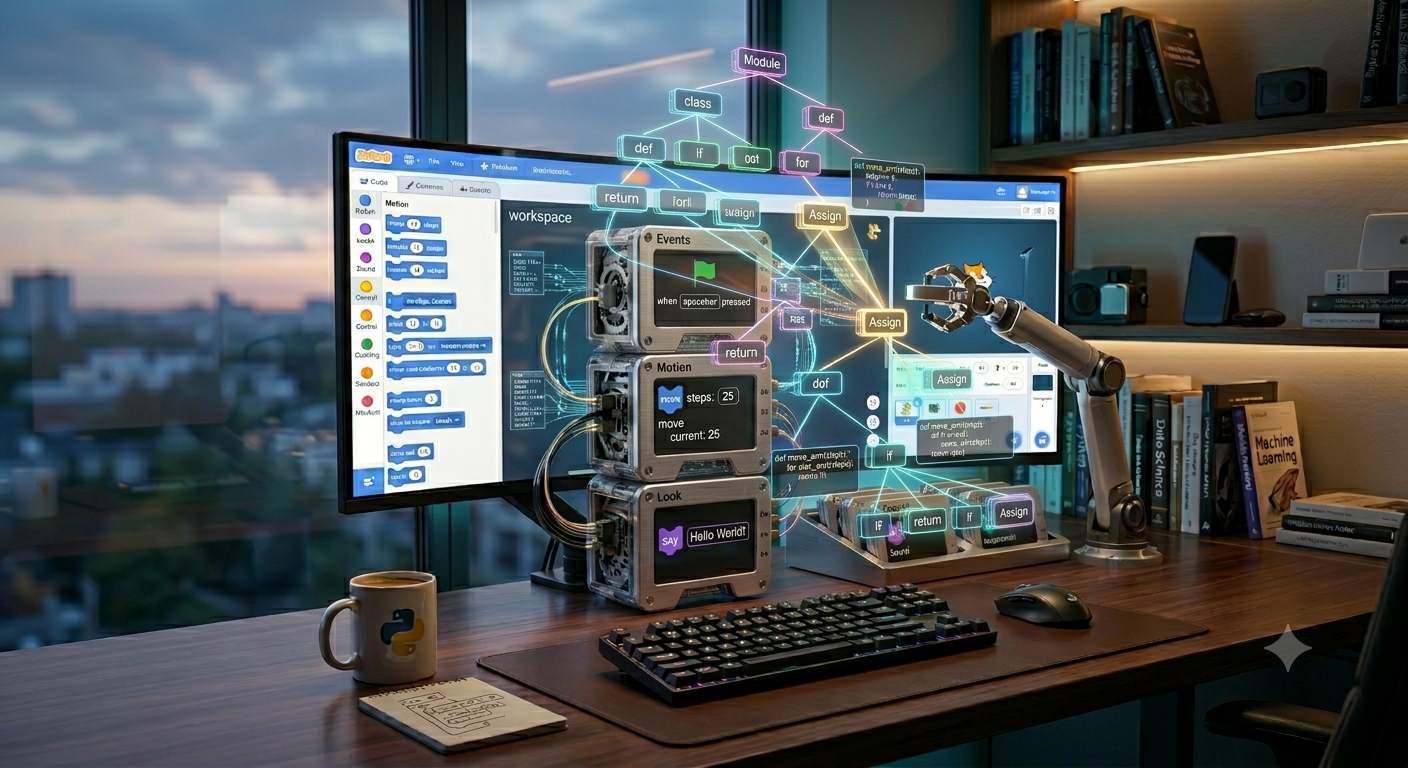
This course is designed to help learners smoothly transition from block-based coding to text-based programming using Python. It follows a hybrid approach where each concept is first introduced through visual block coding and then reinforced through corresponding Python problems. This method helps learners clearly understand the logic before applying it in code.
The course is structured to build skills step by step, starting from basic input and output, moving to variables and mathematical operations, and gradually progressing to conditions, loops, and problem-solving. Each block-based activity is paired with a coding challenge, allowing learners to translate their visual logic into actual programming syntax.
- Teacher: Harshavardhan Ippili
- Teacher: Administrator Chronosphere
- Teacher: Deepak Patil
- Teacher: Kunal Sugandhi
- Teacher: Stuti Agrawal
- Teacher: Sharda Bari
- Teacher: Nitin Borse
- Teacher: Suresh Chand
- Teacher: Tanishka Dodwani
- Teacher: Vardhani Jadiya
- Teacher: Srushti Jangde
- Teacher: Avni Kapoor
- Teacher: Jay Khatri
- Teacher: Aditya Mewati
- Teacher: Nitin Paliwal
- Teacher: Durgesh Pandey
- Teacher: Deepak Patil
- Teacher: Rahul Rane
- Teacher: Payal Rawtole
- Teacher: Kunal Sugandhi
- Teacher: Shubham Suralkar
- Teacher: Vipin Yadav
- Teacher: Nitin Borse
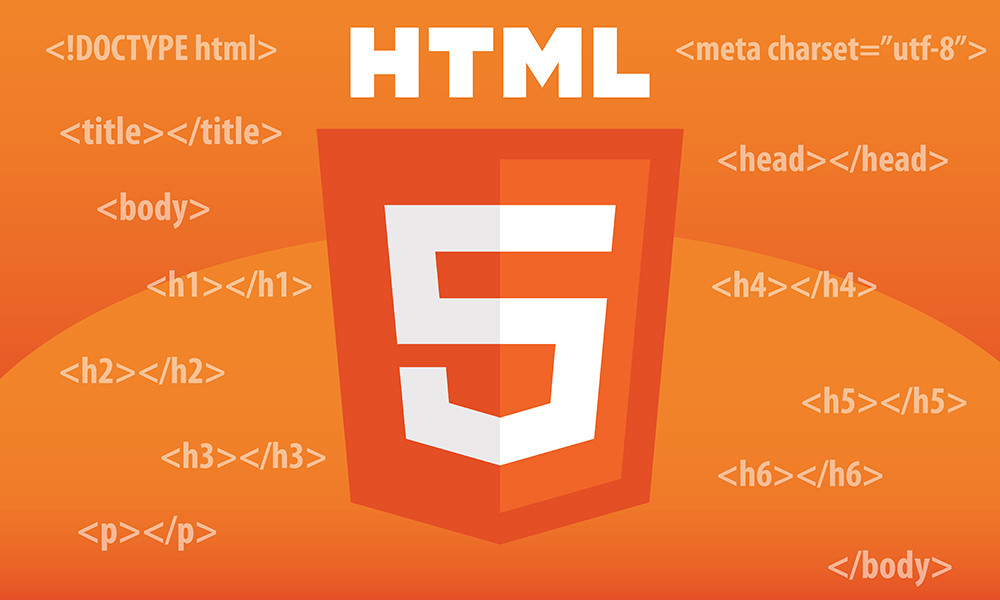
JavaScript (JS) is a high-level, interpreted programming language that serves as one of the three core technologies of the World Wide Web, alongside HTML and CSS. While HTML provides the structure and CSS handles the presentation, JavaScript is used to implement complex, interactive, and dynamic features on web pages.
- Teacher: Sharda Bari
- Teacher: Nitin Borse
JavaScript (JS) is a lightweight, interpreted, and high-level programming language that is a core technology of the World Wide Web, alongside HTML and CSS. Originally created in 1995 to make web pages "alive," it enables the implementation of complex features such as interactive maps, animated graphics, and dynamically updating content without requiring a page reload.
CSS (Cascading Style Sheets) is the standard stylesheet language used to design and style the visual presentation of web pages. While HTML provides the "skeleton" (structure and content), CSS provides the "skin" or "outfit"—controlling everything from colors and fonts to complex layouts and animations.
- Teacher: Sharda Bari
- Teacher: Nitin Borse
- Teacher: Nitin Borse
This course provides a beginner-friendly introduction to Data Science. It covers core concepts including Python programming for data analysis, working with libraries like NumPy and Pandas, data manipulation, and data visualization using Matplotlib and Seaborn.
- Teacher: Tanishka Dodwani
Robotics is an exciting field that combines creativity, electronics, and programming to solve real-world problems. This module introduces the basics of sensors, actuators, and microcontrollers through simple hands-on activities. Students will develop practical skills, logical thinking, and learn how to design and build their own robots.
Advanced Robotics Course Build, program, and control robots while learning sensors, actuators, and automation through hands-on projects.
Gain practical experience in problem-solving, logical thinking, and designing real-world robotic systems.
Expert Robotics focuses on designing and building sophisticated robotic systems with precise control, automation, and real-world problem-solving capabilities. Students develop advanced skills to create efficient and intelligent robotic solutions used in modern technology and industry.
- Teacher: Nitin Borse
- Teacher: Tanishka Dodwani
- Teacher: Kunal Sugandhi
This course is a refresher of the “Exercises in Python Fundamentals” course, designed to help students revisit and strengthen their core Python concepts through structured practice. It focuses on key topics like input/output, data types, operators, conditionals, loops, and basic data structures, using carefully selected exercises to reinforce understanding and improve problem-solving skills.
- Teacher: Stuti Agrawal
- Teacher: Sharuf Ali
- Teacher: Sharda Bari
- Teacher: Nitin Borse
- Teacher: Suresh Chand
- Teacher: Tanishka Dodwani
- Teacher: Harshavardhan Ippili
- Teacher: Vardhani Jadiya
- Teacher: Srushti Jangde
- Teacher: Avni Kapoor
- Teacher: Jay Khatri
- Teacher: Aditya Mewati
- Teacher: Mr. Nitin Paliwal
- Teacher: Nitin Paliwal
- Teacher: Durgesh Pandey
- Teacher: Deepak Patil
- Teacher: Rahul Rane
- Teacher: Payal Rawtole
- Teacher: Kunal Sugandhi
- Teacher: Shubham Suralkar
- Teacher: Vipin Yadav
- Teacher: Harshavardhan Ippili
- Teacher: Kunal Sugandhi